FLAT ROOFS OXFORD
Flat Roofs Oxford
A flat roof appears to be flat, but it does actually have a slight pitch to allow water to run to the gutter. The slope of a roof is referred to as its pitch, and flat roofs usually have a pitch of up to 10 degrees. Flat roofs take up less space and consequently use less material than pitched roofs, making both their construction and repair less expensive.
You can avoid extensive flat roof repairs by making regular visual inspections yourself. The main warning signs to look out for include pooling water, tears, cracks and bubbles in the roofing felt or membrane. These are all signs that there are issues beginning to affect the roofing which may cause flat roof leaks. Bear in mind that bitumen felt and other traditional flat roof materials do wear and break down over time.
To ensure a long life for your flat roof, we no longer use bitumen felt, and only install Firestone EPDM flat rubber roofs, and GRP fibreglass flat roofs.
If you’re looking to get a flat roof installed or have noticed your flat roof is in need of some repairs, get in touch today for a free quote.
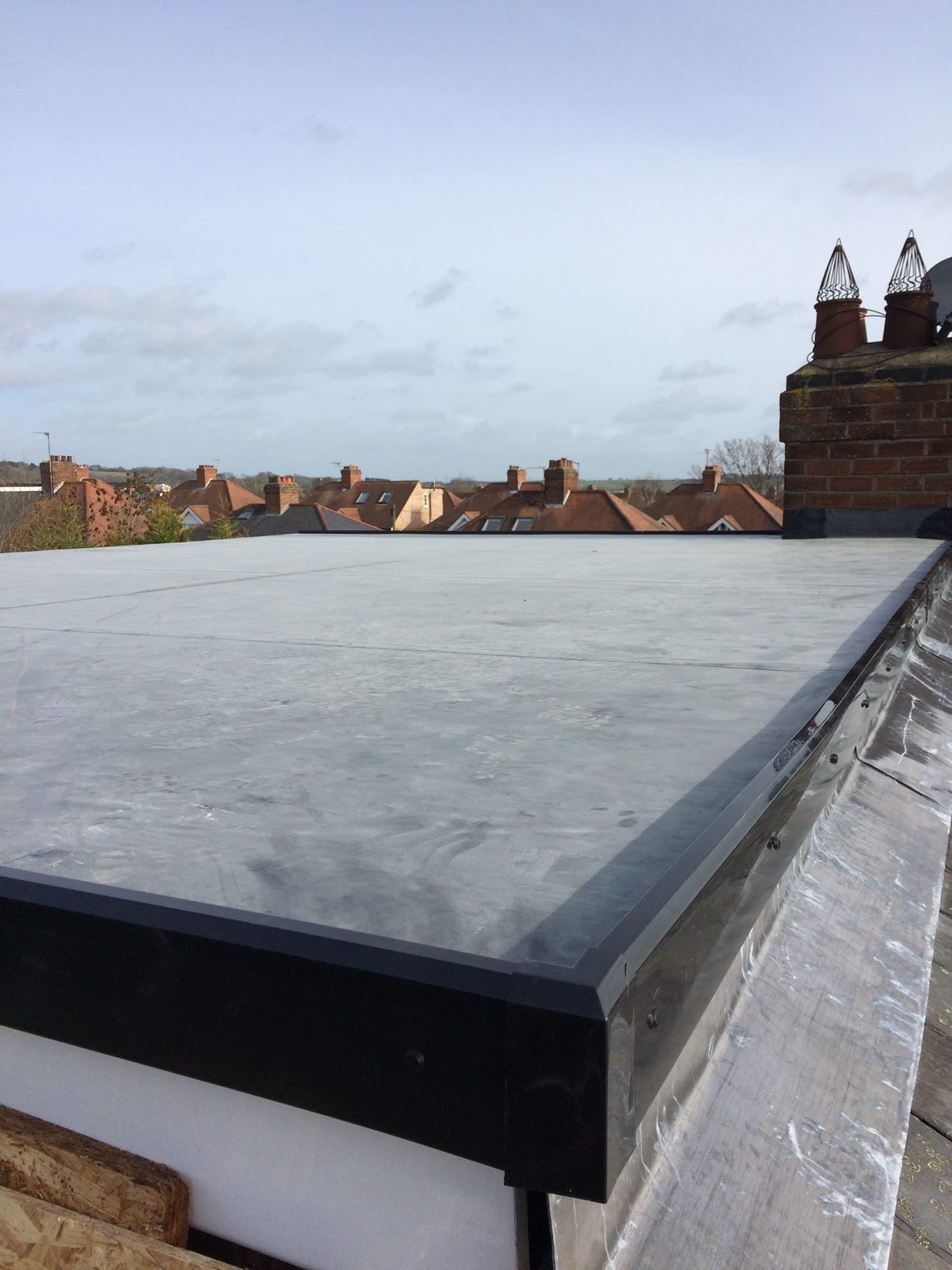
Firestone EDPM Rubber Flat Roofs
In the past, bitumen felt was the most popular flat roofing material. Today, more advanced flat roofing materials have changed the look and function of flat roofing across the UK.
EPDM (Ethylene Propylene Diene Monomer) is a synthetic black rubber membrane that was more commonly used in commercial roofing, but is ideal for residential flat roofing.
EPDM is far superior to traditional bitumen felt. In fact, it’s one of the highest quality materials available for flat roofs and is incredibly easy to install. It forms a robust, waterproof and durable flat roof that won’t tear, rot or blister. Because of its durability, you can expect to get 25 to 30 years out of a properly installed EPDM rubber flat roof.
Rubber roofs provide good insulation, keeping your space cooler in the summer months and locking in the heat during the winter, helping you save on heating and air conditioning costs.
Whilst EPDM rubber roofing is more expensive than traditional bitumen felt, it is still cheaper than the other premium choice – GRP fibreglass flat roofing.
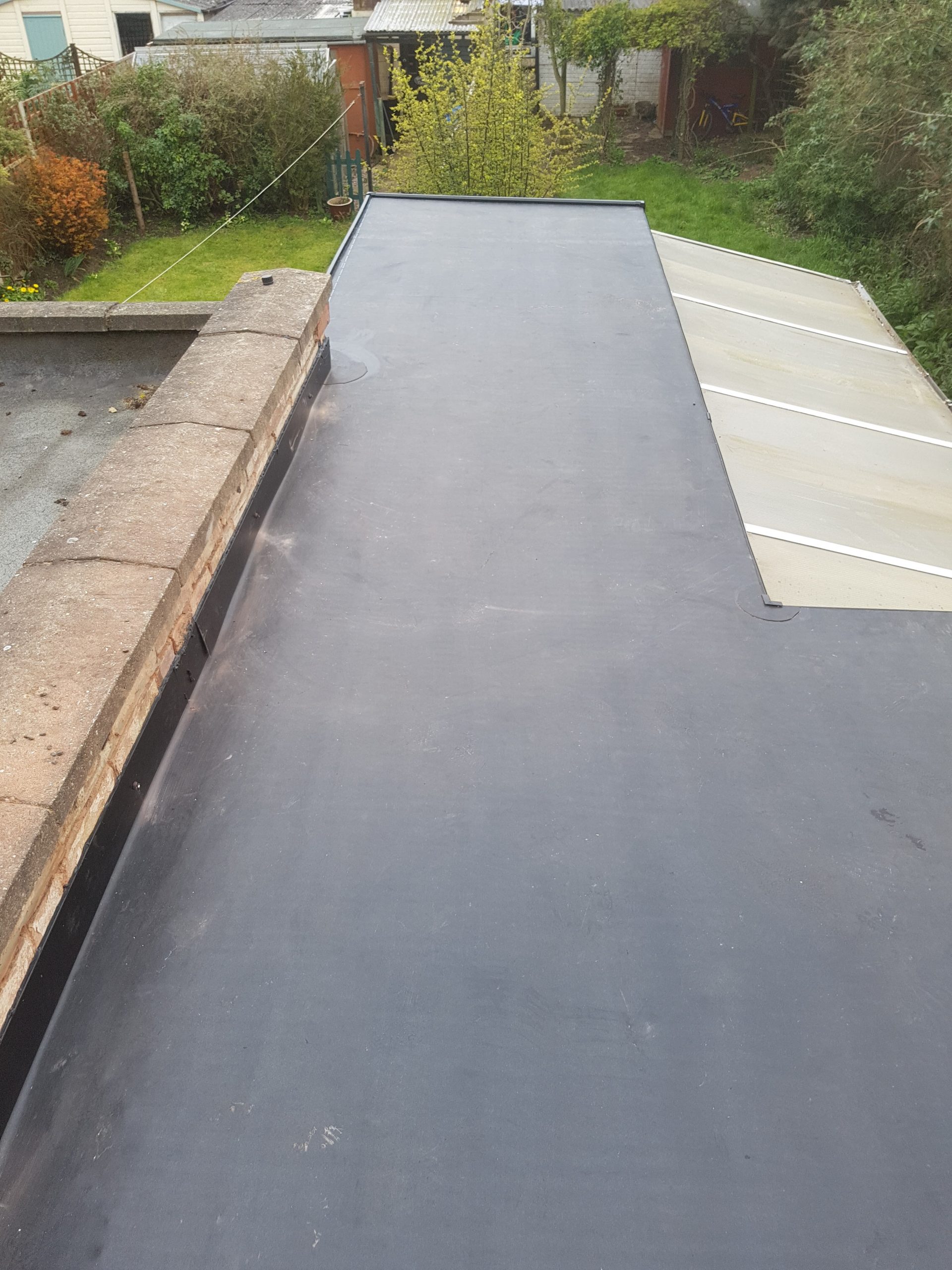
Benefits of EPDM rubber roofing:
Overall, EPDM rubber roofing is a durable, flexible, and low-maintenance option for both residential and commercial roofing applications.
GRP Fibreglass Flat Roofs
Fibreglass flat roofing, also known as GRP (Glass-Reinforced Plastic) roofing, is a long-lasting and popular option for flat roofs.
Fibreglass roofing is much more durable than bitumen felt. It has no seams, so it’s less likely to fail and let water in, and it’s relatively easy for a professional to repair if damaged. The benefits of fibreglass roofing for the consumer are its durability, longevity and high performance. A properly laid fibreglass flat roof will last for at least 30 years with no measurable deterioration.
Fibreglass has been around for decades, predominantly used on boats and car bodies. However, in the past it wasn’t ideal for flat roofs as it was messy and difficult to install. The processes and materials we use for fibreglass flat roofs these days is quite different to those used on boats, and – properly installed by an expert roofing company – it looks fantastic and will outlast most other flat roofing surfaces.
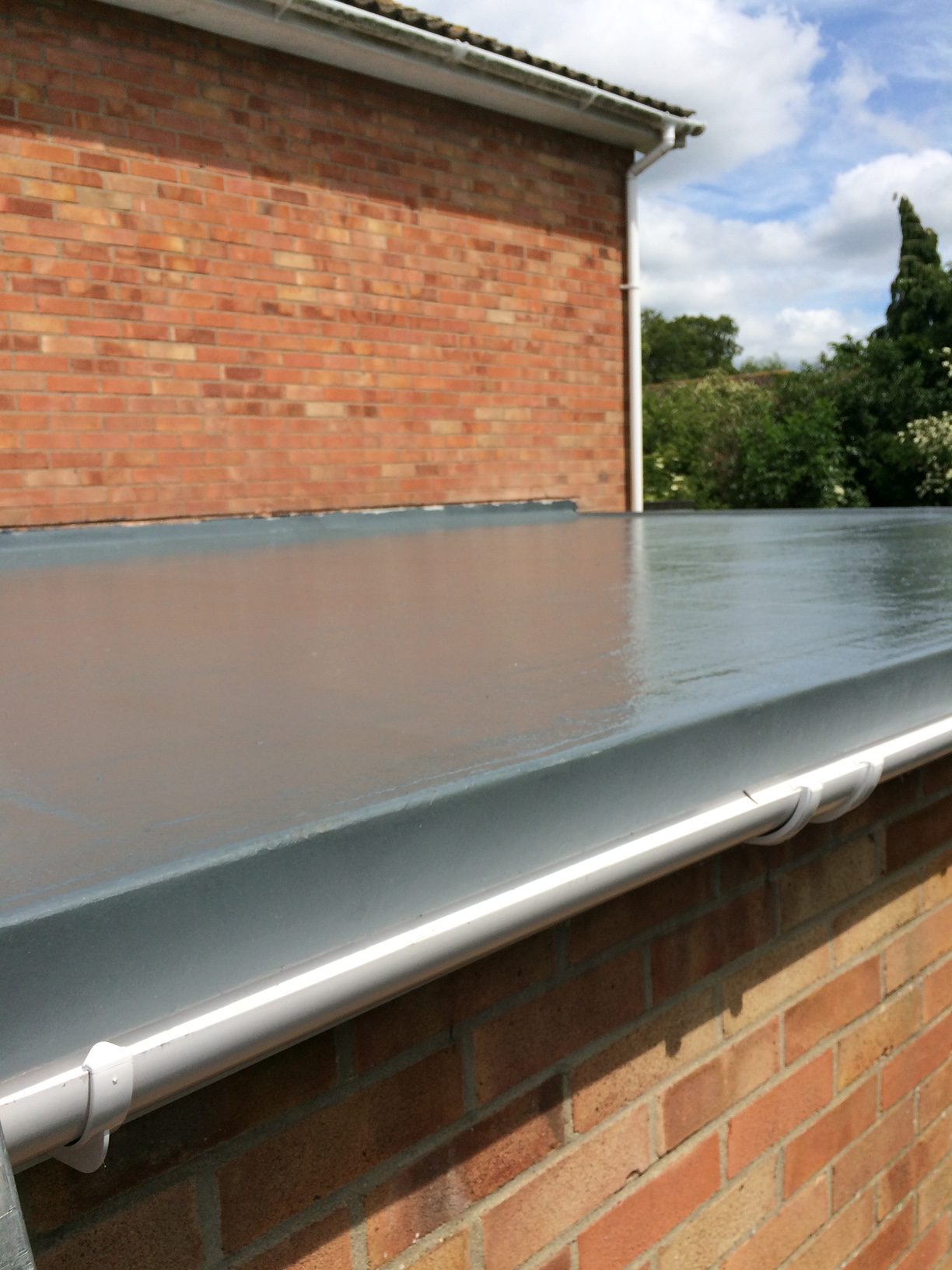
Benefits of GRP fibreglass flat roofing:
Overall, fibreglass flat roofing is a durable, waterproof, and low-maintenance option for both residential and commercial roofing applications. It is also versatile and can be customised to fit any size or shape of roof.
Before & After
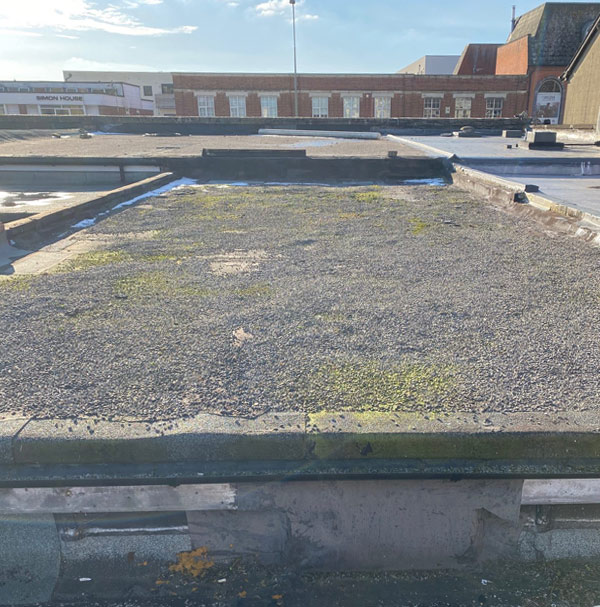
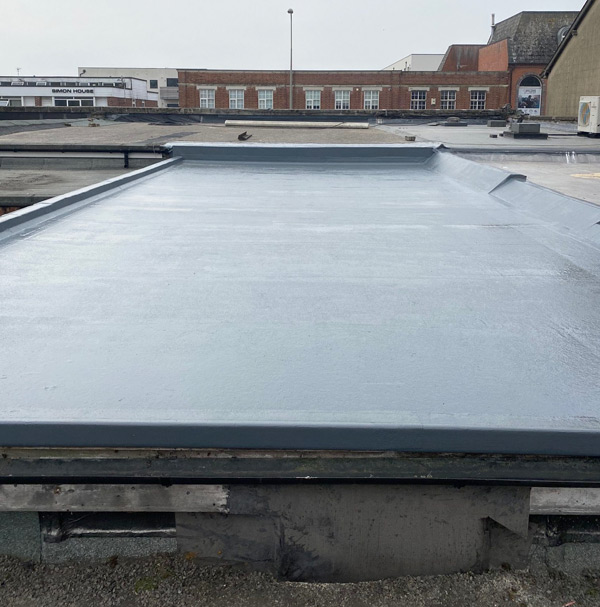
GRP Fibreglass flat roof installation Oxford